I take things apart to see what is inside, and I have never really stopped.
Some of it ends up on Instagram.
The parts worth making twice end up here as kits.
Tej Grewal · Calgary
About
Prototyping in public.
Taking things apart
As a kid, no toy or discarded item in my house stayed whole for long. If something
came my way, I’d take it apart piece by piece, not to break it, but to see what was inside
and keep whatever still had value: motors, electronics, anything that worked or could be made to.
I had a whole drawer of salvaged parts, which eventually became the raw material for building
custom Beyblades.
That habit never really left. It just found new outlets. Every year there’s
something new to learn: gardening, woodworking, photography, whatever pulls my attention next.
Manual, hands-on work, the kind most people try to avoid, is where I do my best thinking.
It clears space in my head for whatever I want to build next.
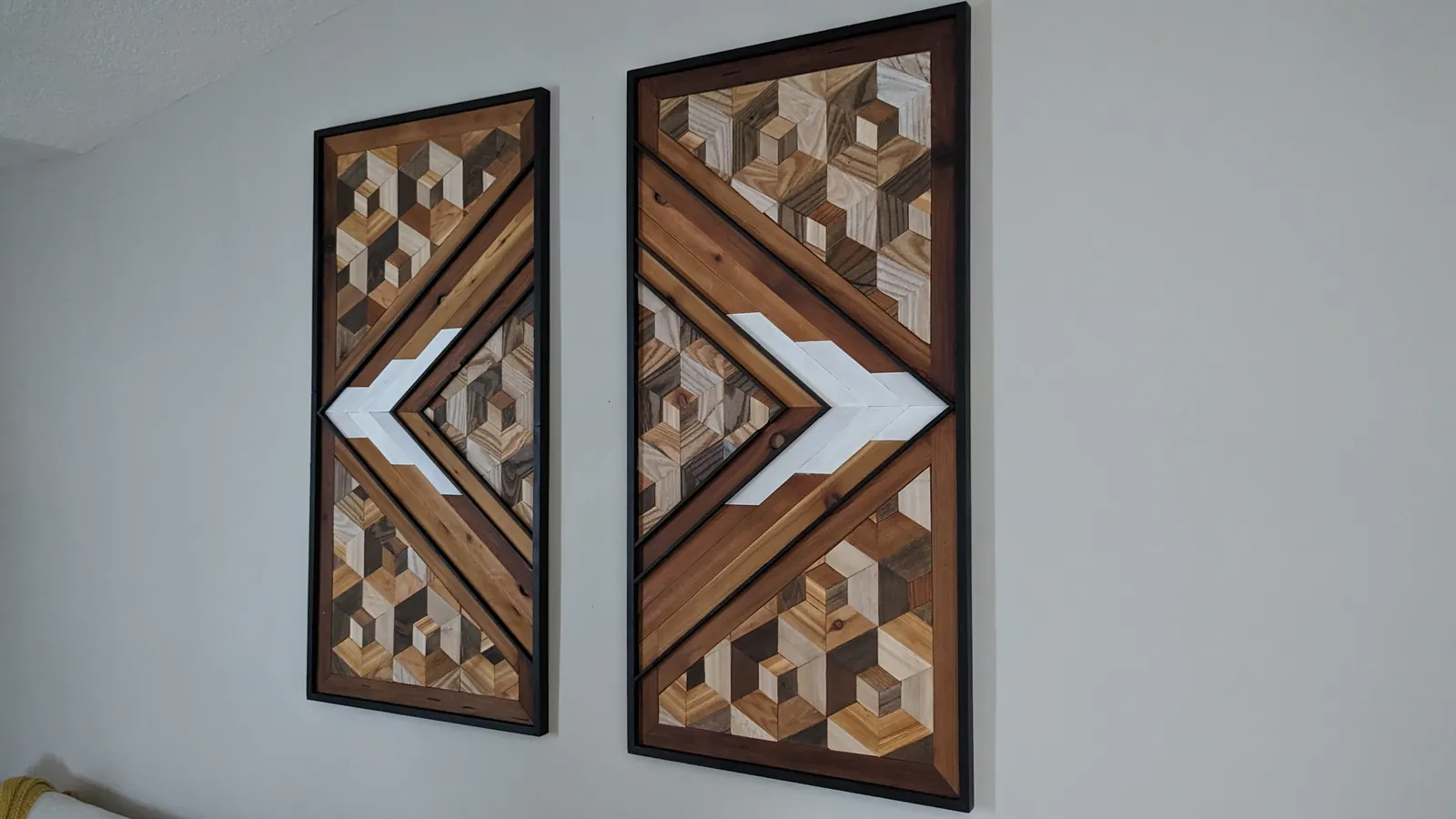
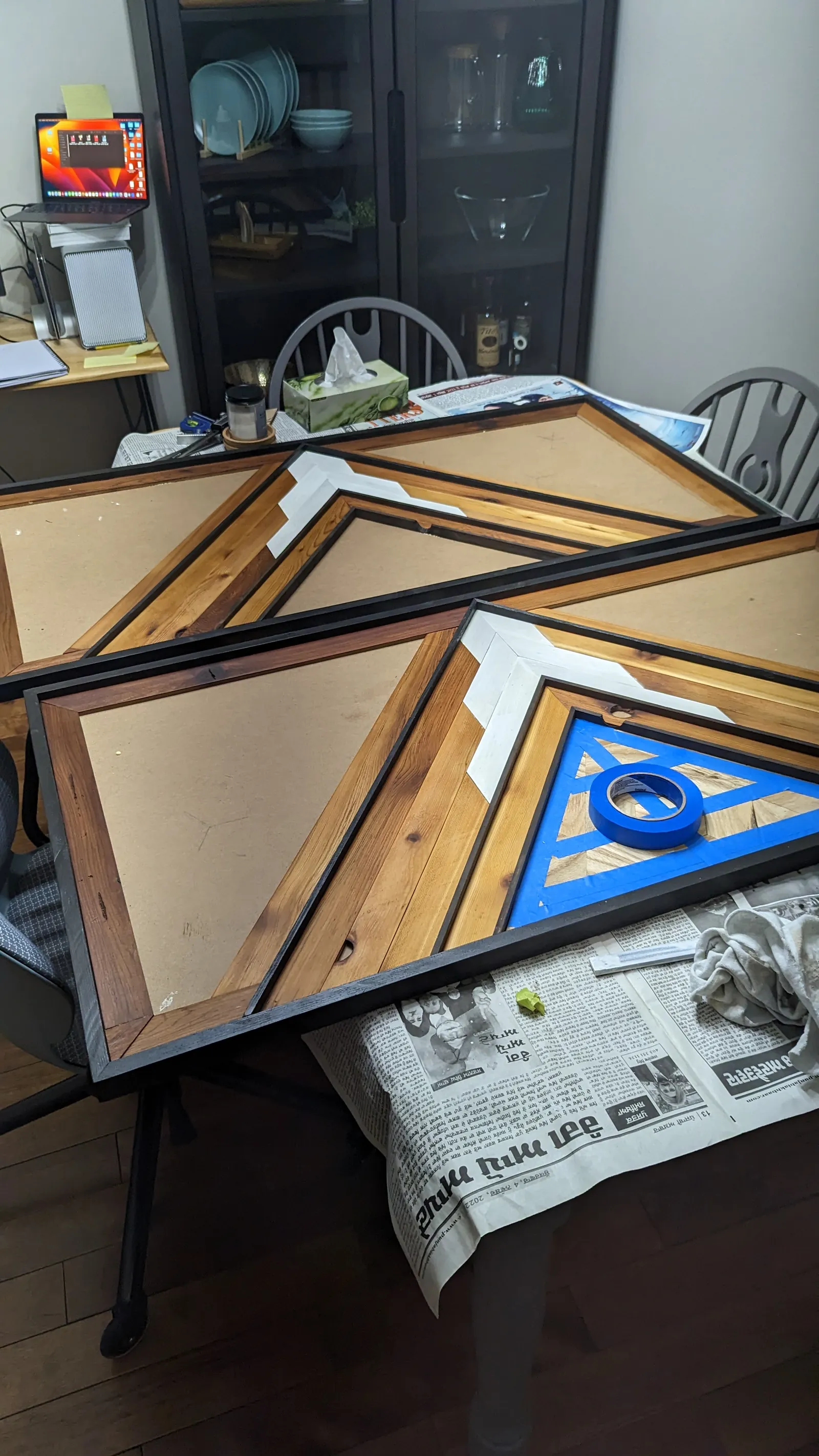
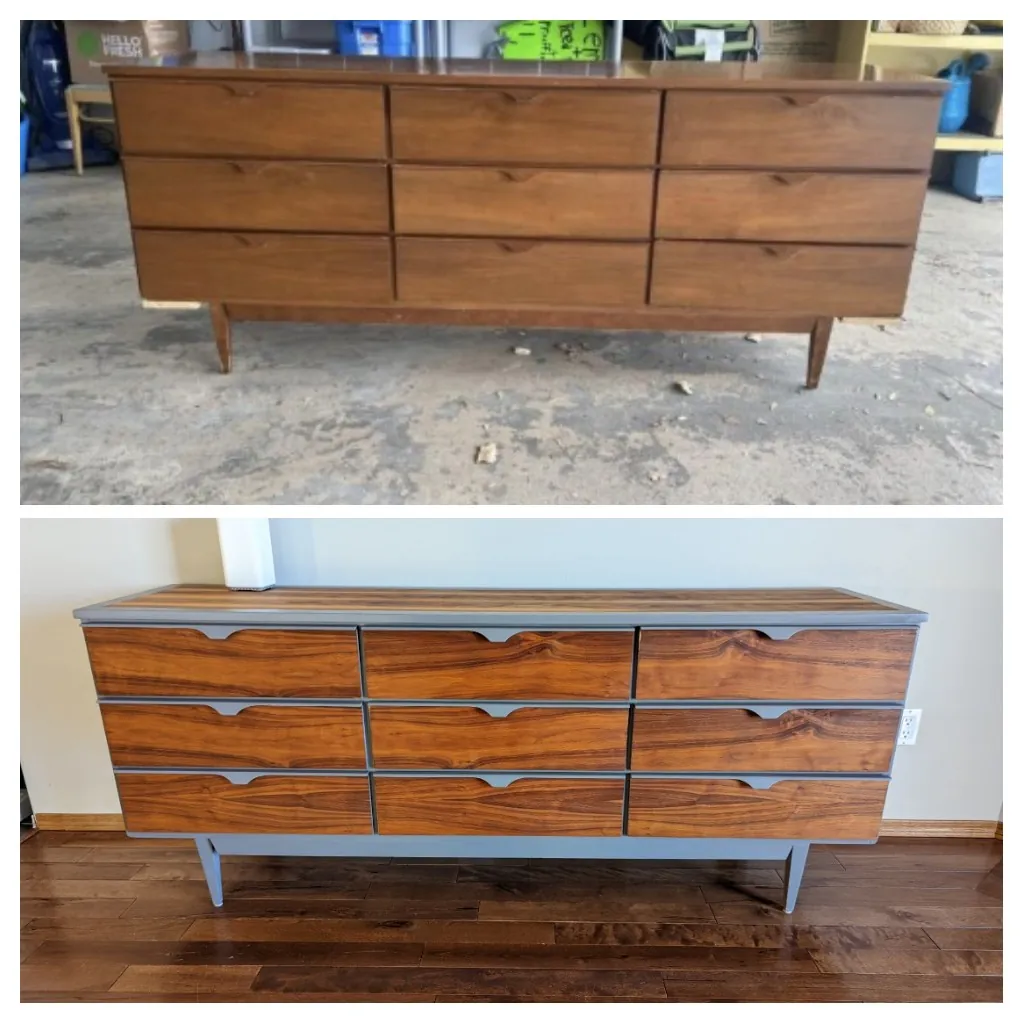
Wood wall art, finishedThe same art, mid-buildDresser, before and after
One project at a time, whatever the material
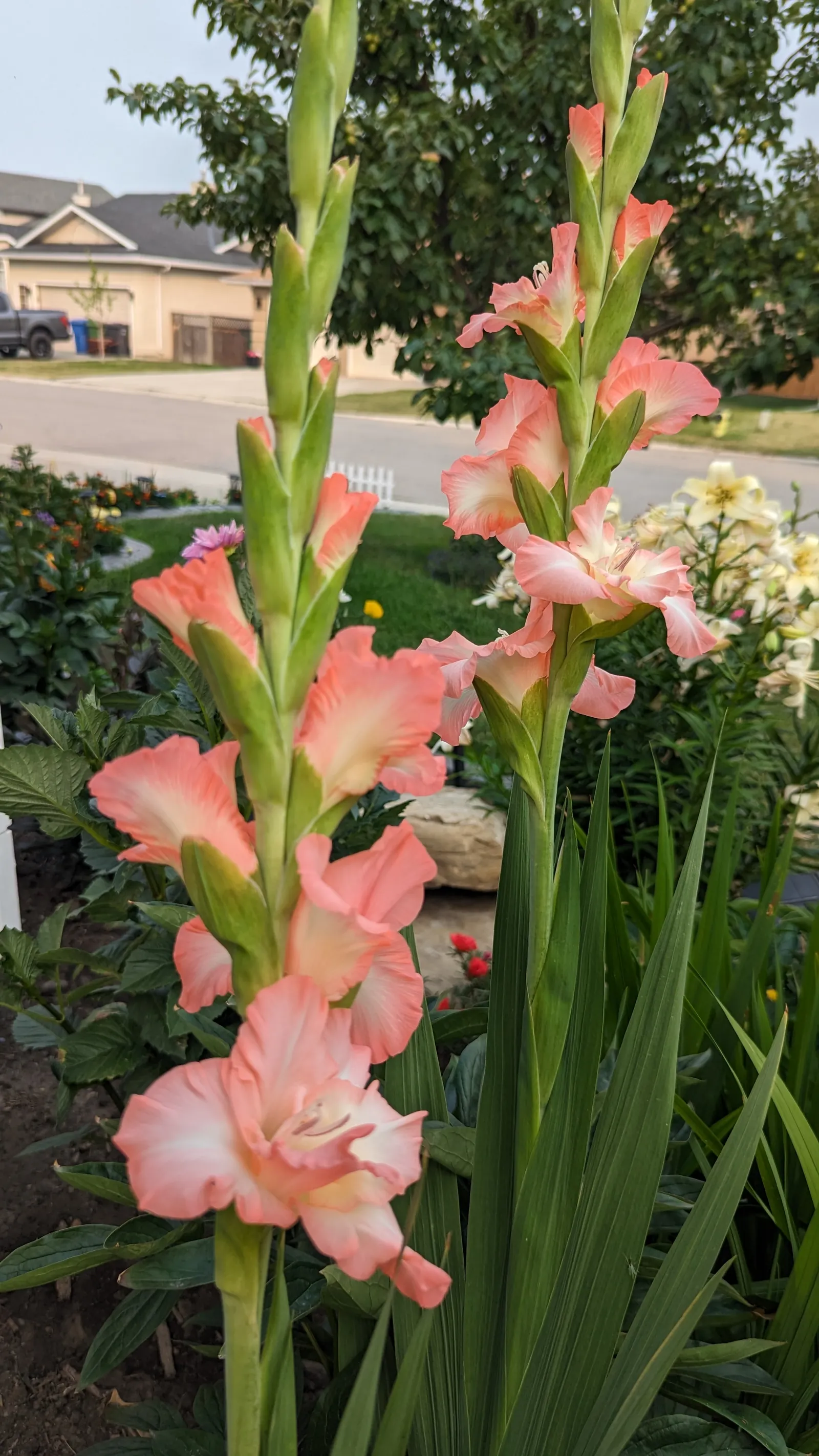
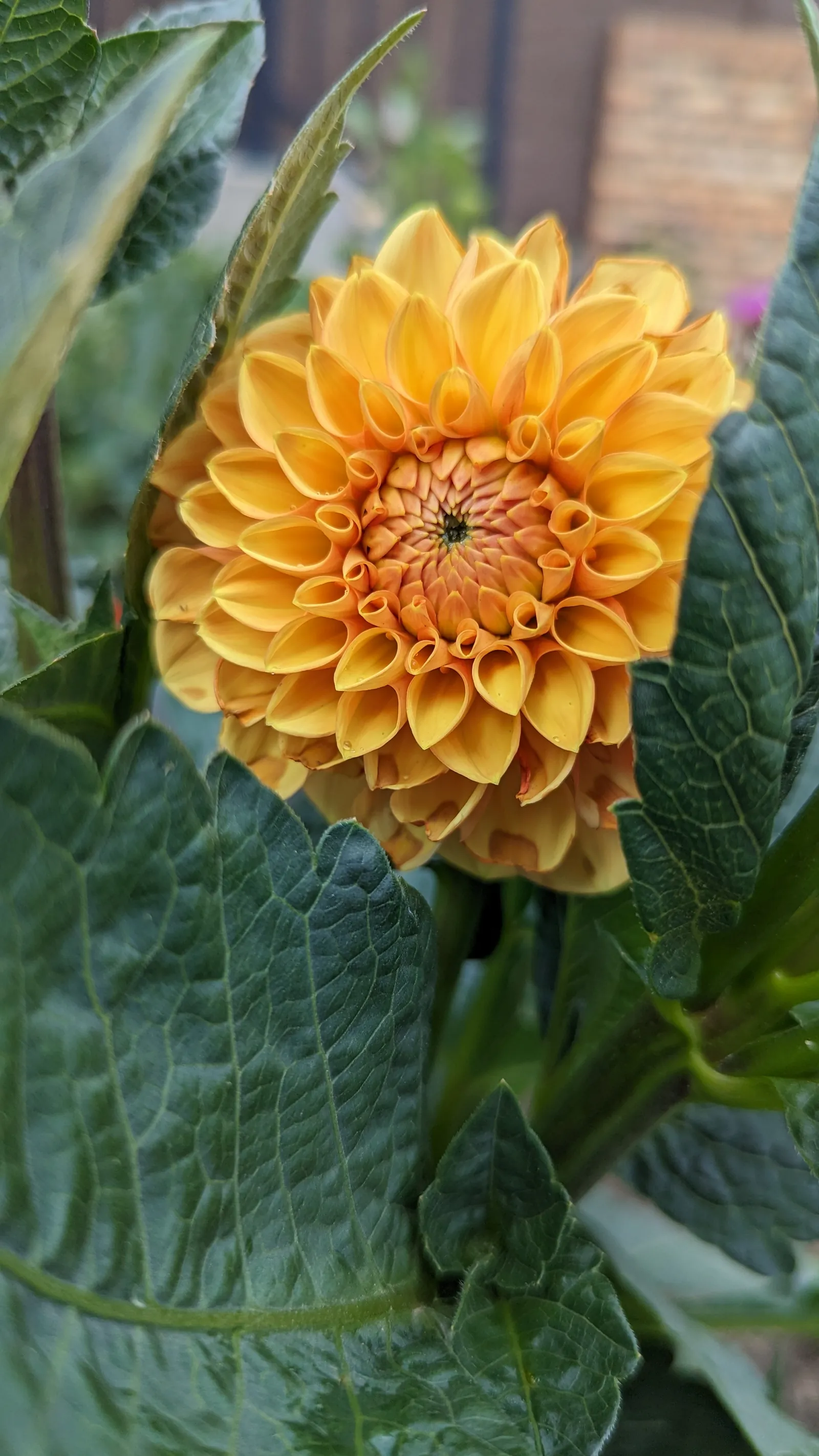
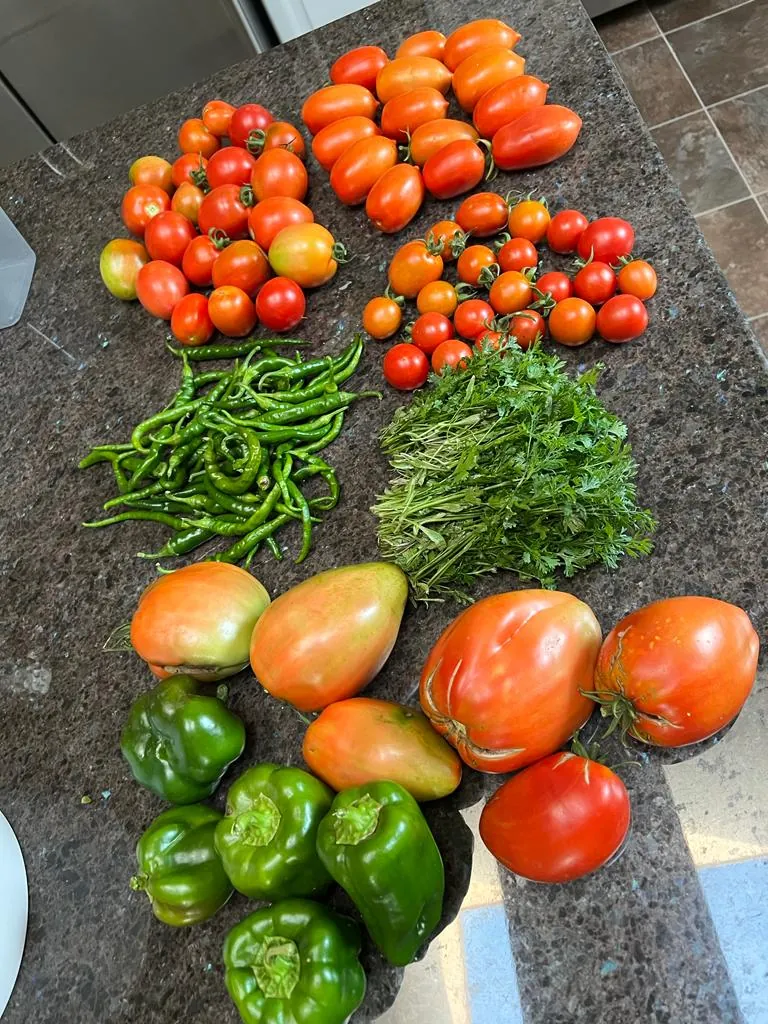
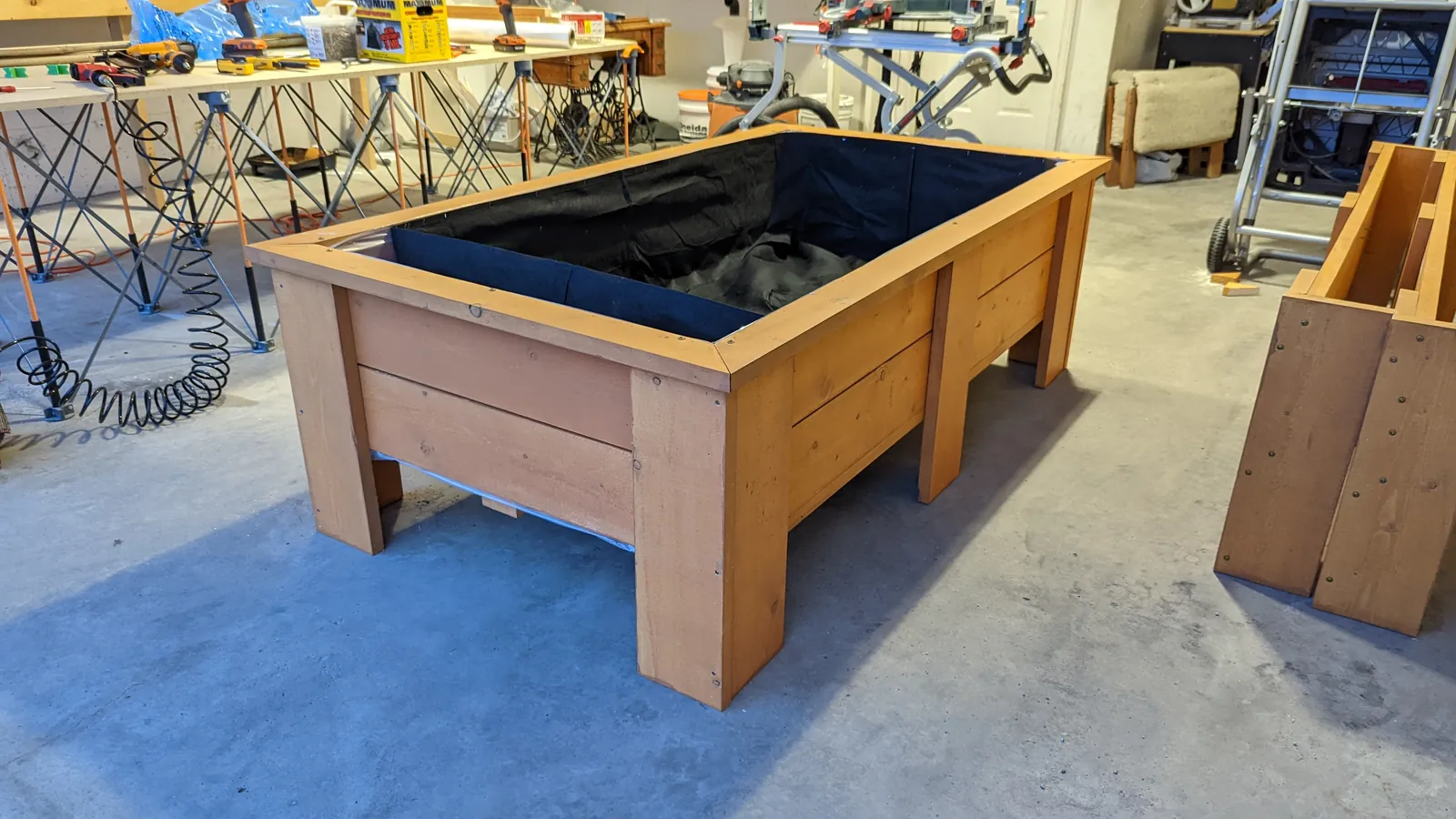
GladiolusDahliaWhat it grewThe bed it grew in
The garden is my other lab
From a detour to a company
I moved to Canada in 2017 for a Master’s in Electrical and Computer
Engineering. I ended up in petroleum engineering instead, not the plan, but the industry gave me
something I didn’t expect: a front-row seat to a real, expensive problem. Methane monitoring
was, and still is, costly, and the tools available weren’t built for the scale the industry
actually needed.
That problem stuck with me. I built the first prototype while I was still in school,
nights and weekends, the same instinct from the toy drawer, just aimed at something bigger.
In 2018, I founded Qube Technologies Inc. to take it further: lower-cost methane
monitoring hardware, built to work in the field, not just on a bench.
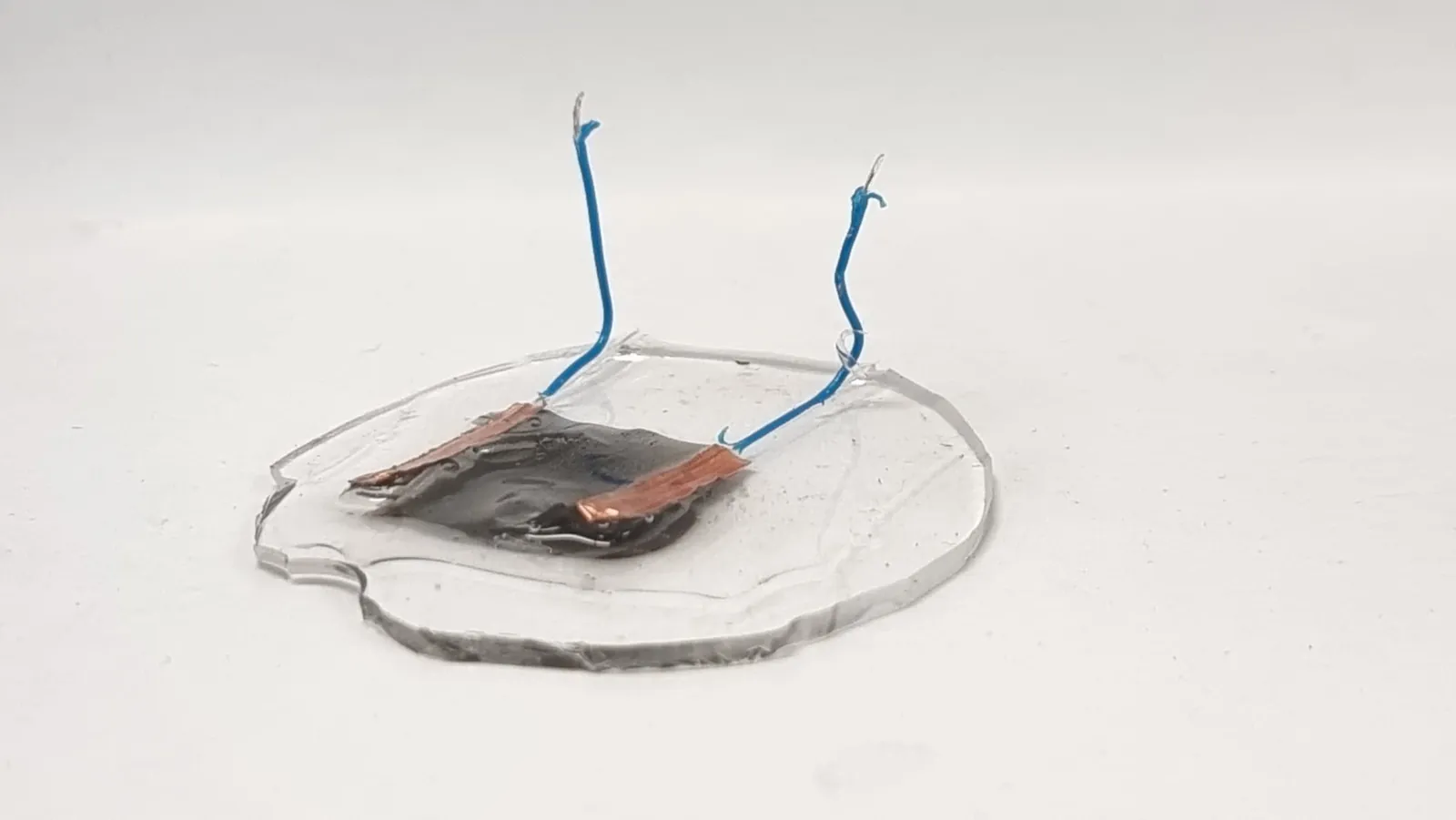
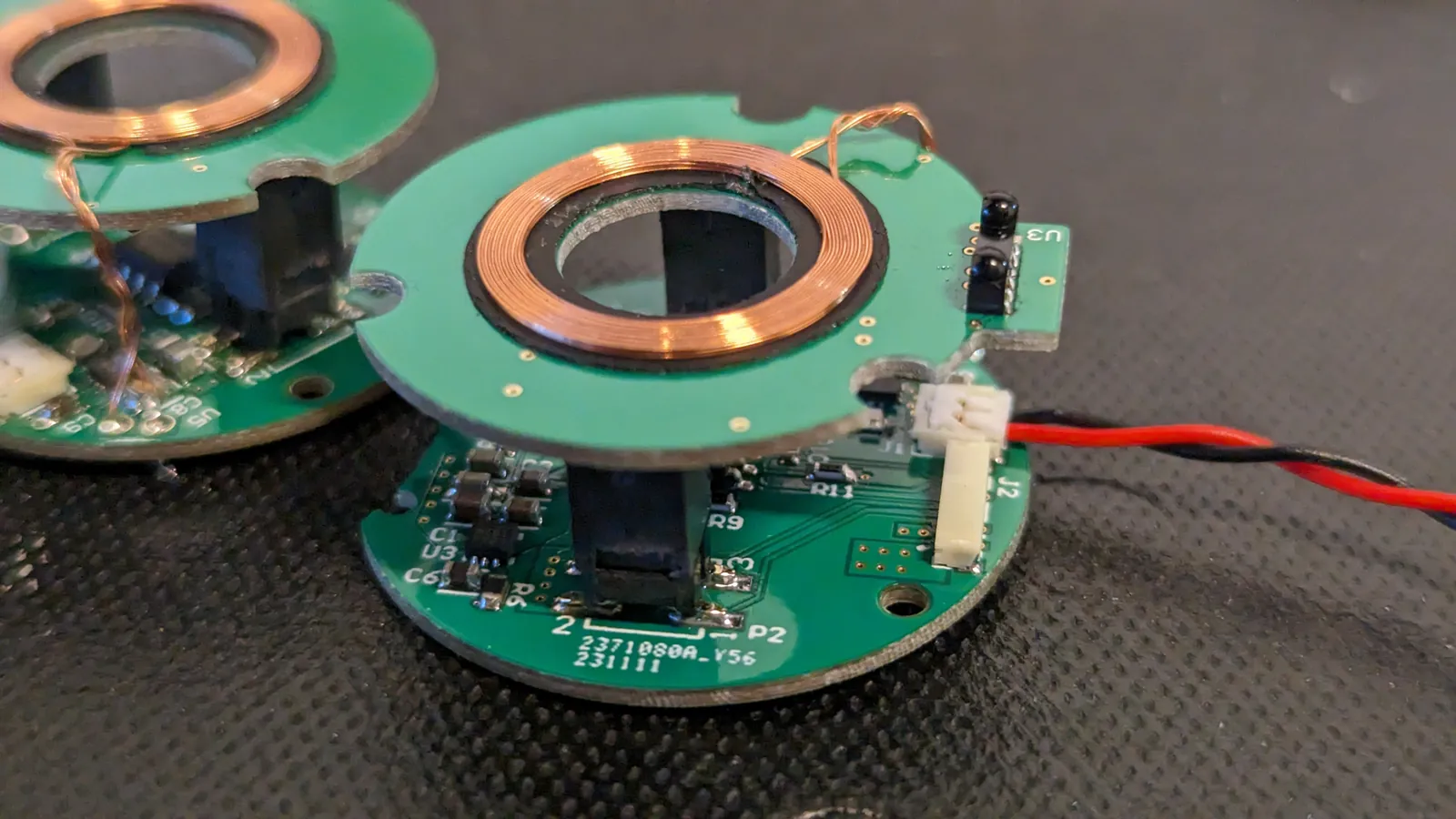
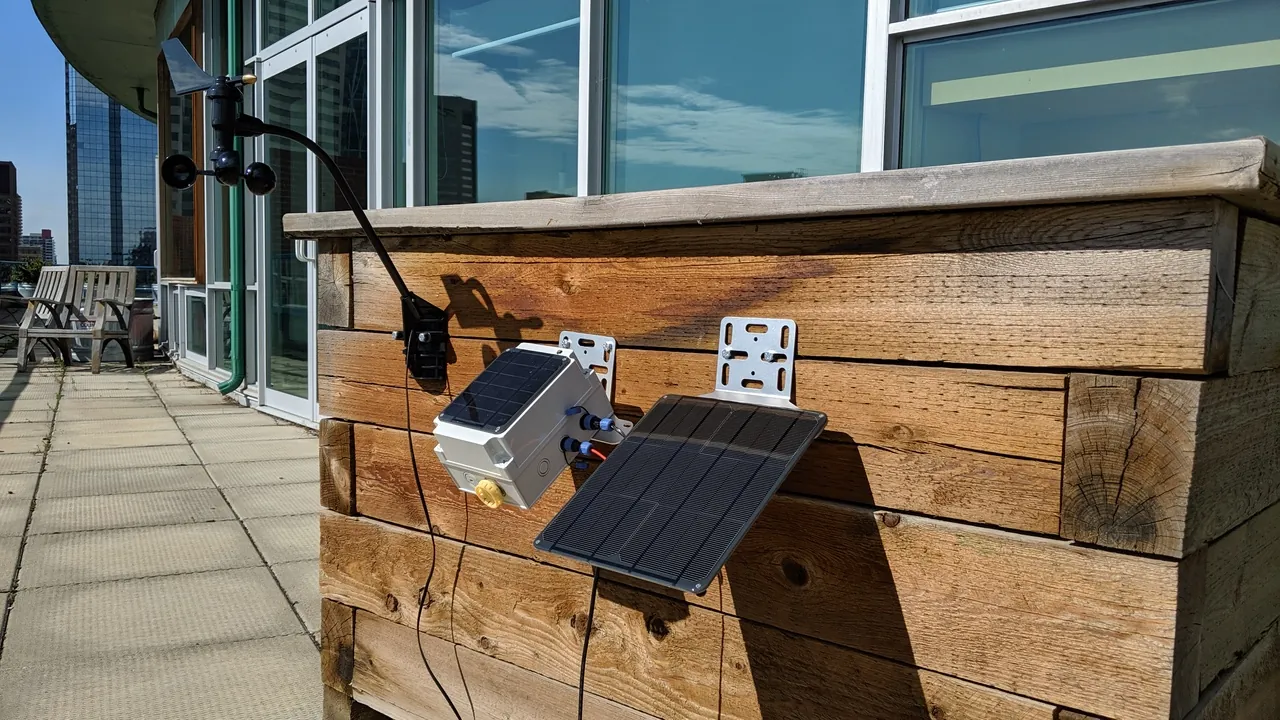
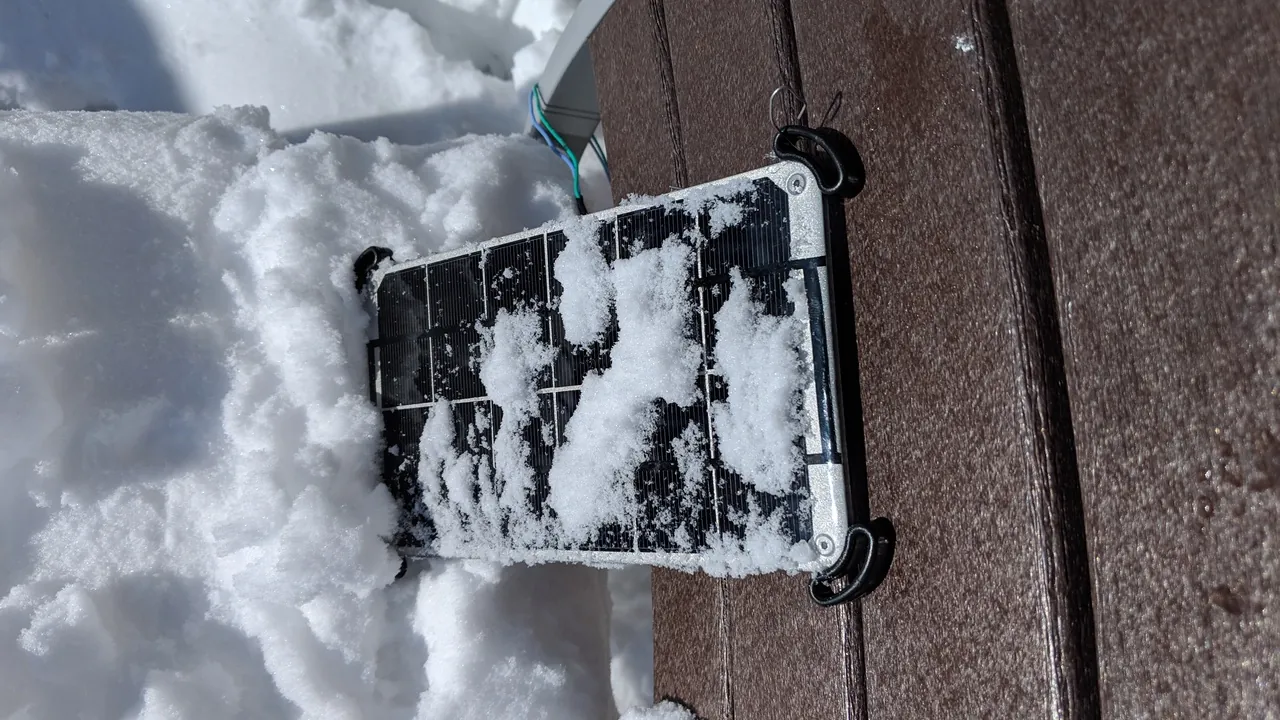
Coil sensor, early buildThe board it ran onInstalled on-siteField-tested, in the snow
I’m social, but I’ve never been a camera-facing person. The idea of
putting myself in a video used to be an easy reason to not do it. What changed my mind was
realizing how much of what I’ve learned, how to take a rough prototype and actually finish
it, how to make something work outside the lab, in the field, in the snow, isn’t written
down anywhere. It’s just sitting in my head, or in old project photos.
So I started posting short, bite-sized clips on Instagram anyway, camera-shyness
aside. They’re built around a hybrid workflow: unusual project settings, new ways of solving
old problems, builds that start with a handful of off-the-shelf parts, or nothing at all, and end
with something that actually works.
I want the next generation to get curious, get their hands dirty, and see real value
in building things, including the messy, unglamorous parts most people skip. That’s the whole
reason the drawer of parts never really closed. It just got bigger.
One at a time, properly. Every kit here is one I have tested and
validated myself before it goes on sale.
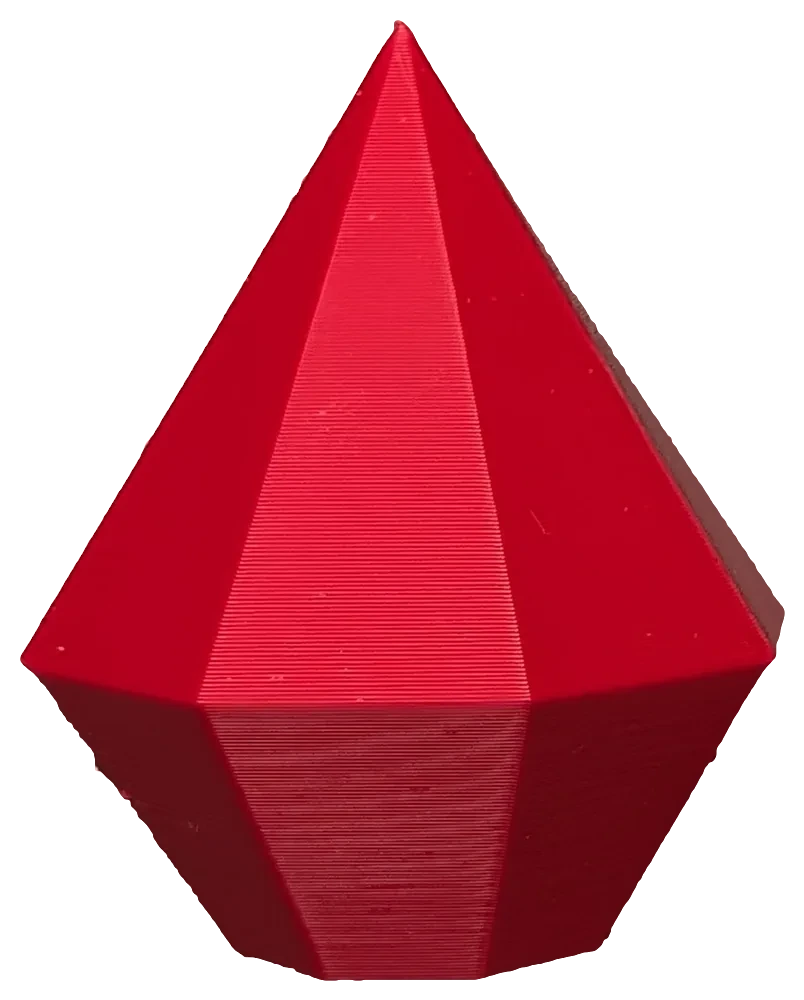
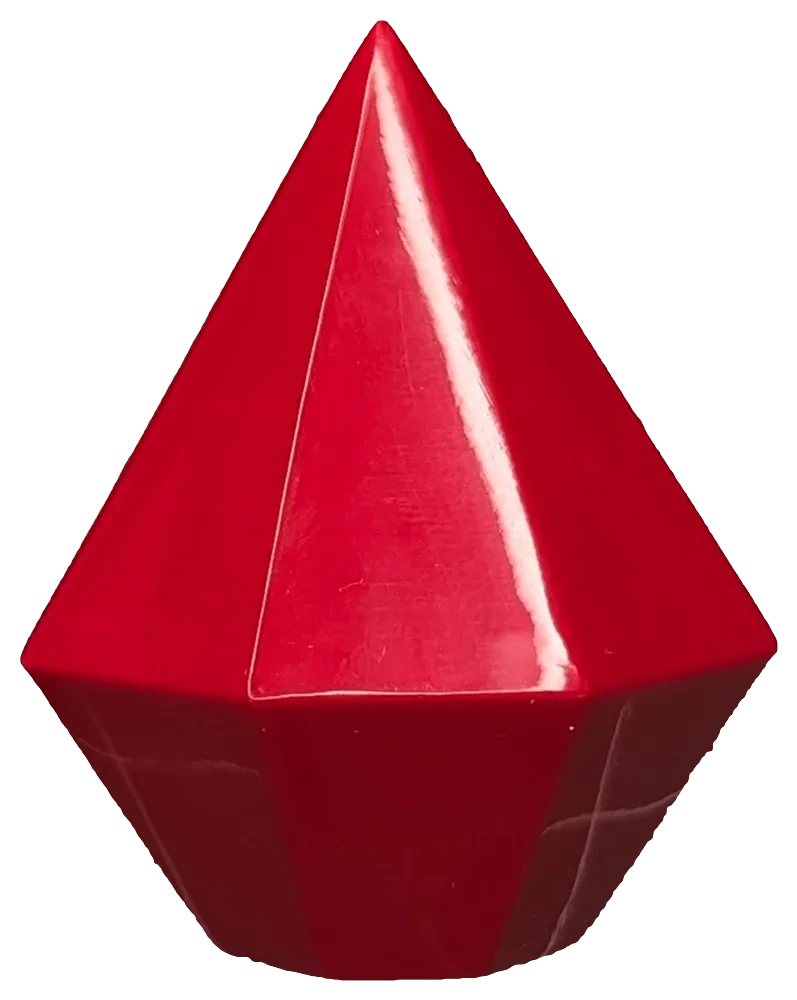
Kit No. 001 · Layeraser
One file, two finishes.
Three ultra-fine glass files at #12000. They take the layer
lines off, and on most parts that is the whole job. The same print, before and after. Nothing else changed.
Off the printerAfter the files
Three glass files
$49CAD
Free shipping to 38 countries · about a week · 30-day returns
373 sold and 4.9/5 from
175 reviews of these files.
Alkalines quit in the cold and lithium ion will not take a charge below freezing. This one
is built on lithium titanate, holds over 5,000 cycles, and Tej ran it frozen into a block of ice.